David Frank · 21 October 2026
Deltabay's Underwater Sensor Networks Reveal Hidden Patterns in Estuary Chemistry Shifts
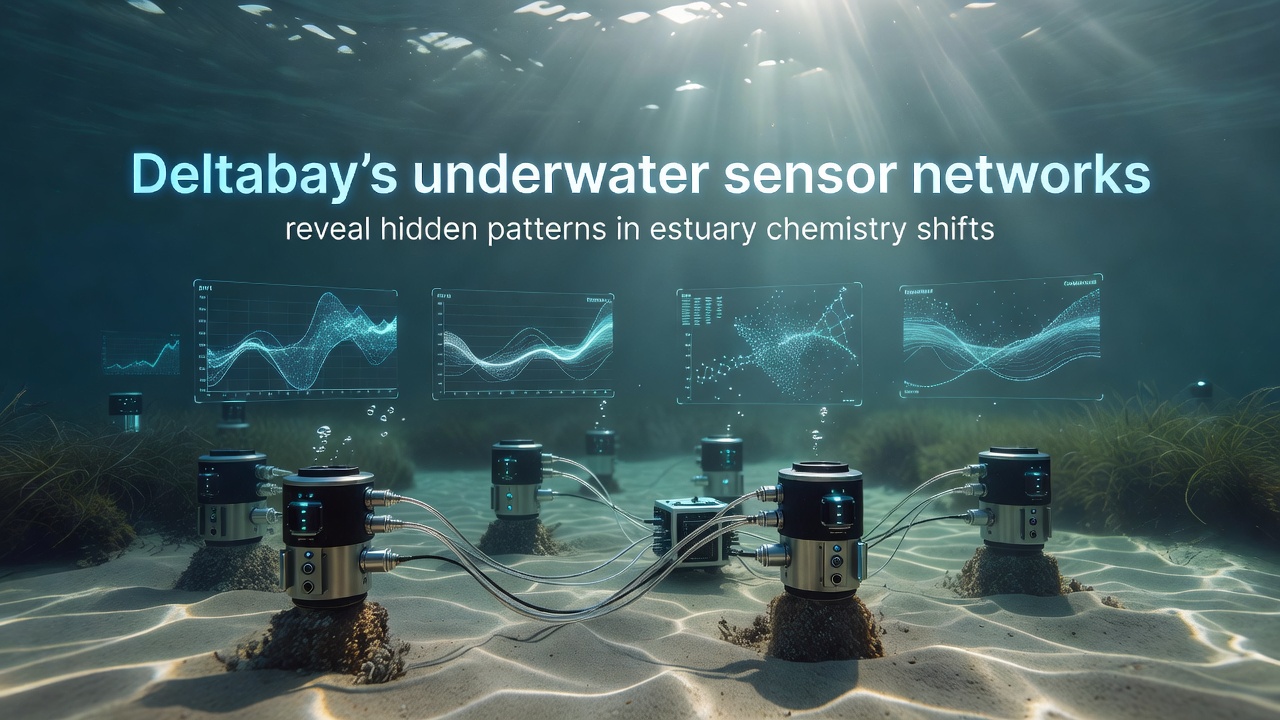
Researchers at Deltabay have deployed extensive underwater sensor networks that track real-time shifts in estuary chemistry, and the data collected since 2023 shows patterns previously undetectable through traditional sampling methods. These networks consist of hundreds of submerged devices positioned across multiple depths and locations throughout the bay system, each measuring parameters such as pH levels, dissolved oxygen, salinity gradients, nutrient concentrations, and temperature fluctuations at five-minute intervals.
The sensors operate continuously, transmitting information via acoustic modems to surface buoys that relay findings to central processing stations. According to project reports from the Deltabay Environmental Monitoring Initiative, this setup has captured over 2.4 million data points by early October 2026, allowing analysts to identify recurring cycles in chemical composition that align with tidal movements and seasonal runoff events.
Network Deployment and Data Collection Methods
Installation began in spring 2023 with initial arrays placed near river inflows and expanded outward to deeper channels by summer 2024. Each unit features corrosion-resistant housings and self-calibrating probes designed to maintain accuracy in varying salinity environments. Technicians perform quarterly maintenance dives to replace batteries and verify sensor integrity, while redundant systems ensure data continuity during equipment failures.
Analysis teams process the incoming streams using machine learning algorithms that filter noise and highlight anomalies. One study from the University of British Columbia's Ocean Sciences Department has examined similar array configurations and confirmed their ability to detect micro-scale variations missed by monthly grab samples.
Identified Chemical Patterns and Correlations
Data reveals distinct daily oscillations in dissolved oxygen that intensify during summer months when algal blooms peak, followed by rapid declines at night as respiration dominates. Salinity intrusions from marine sources correlate strongly with specific wind patterns, creating layered structures where fresher water sits atop denser saltwater for extended periods. Nutrient spikes, particularly nitrogen compounds, appear tied to upstream agricultural discharge timing rather than simple rainfall totals.
What's interesting is how these patterns interact across spatial zones. Sensors near the estuary mouth register chemistry changes up to 48 hours before those located farther inland, providing early indicators of incoming water masses. Figures released in October 2026 document a 12 percent increase in average pH variability compared to baseline readings from 2022, coinciding with documented shifts in regional precipitation intensity.
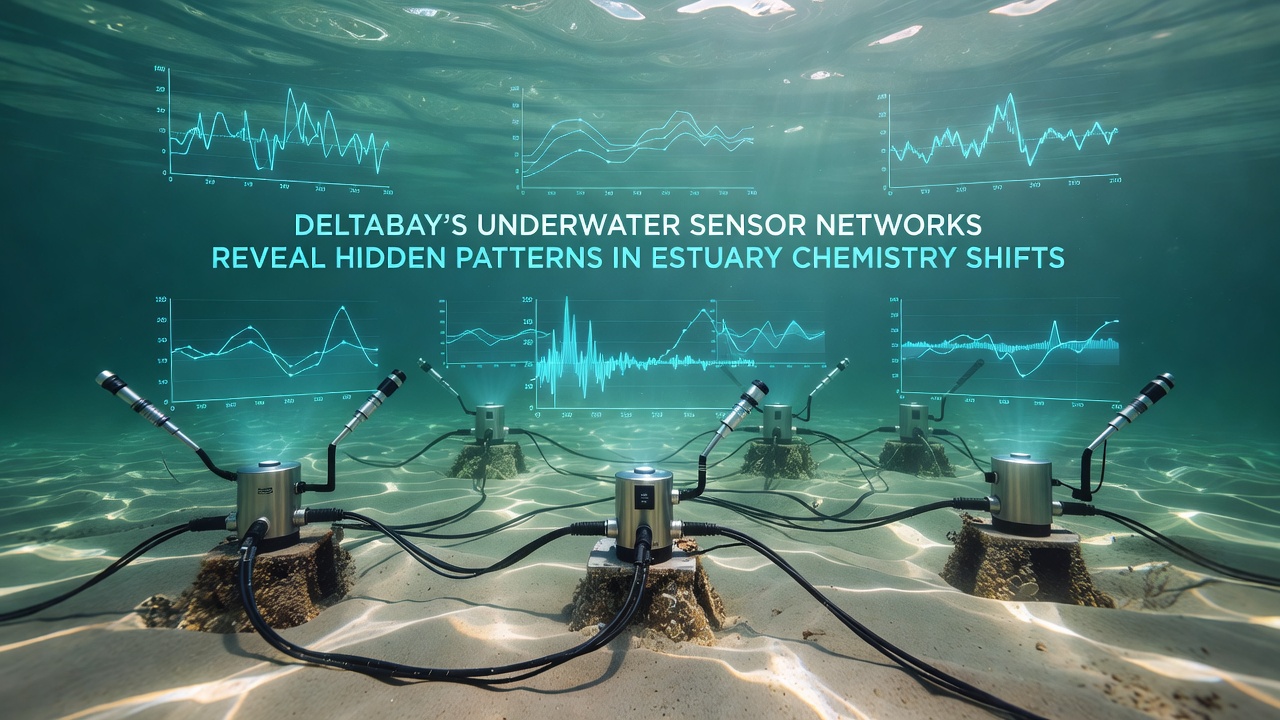
Cross-referencing with meteorological records has uncovered connections between atmospheric pressure systems and vertical mixing events that redistribute chemicals throughout the water column. Researchers note that prolonged high-pressure periods often precede sharp drops in surface oxygen levels, while low-pressure fronts accelerate nutrient dispersion from shallow flats into main channels.
Integration with Broader Environmental Monitoring
The sensor networks feed directly into regional databases maintained by the National Oceanic and Atmospheric Administration, where they supplement satellite observations and vessel-based surveys. This integration allows comparison against historical datasets spanning decades, revealing whether current chemistry behaviors represent departures from established norms or extensions of long-term trends.
One collaborative project with Environment and Climate Change Canada has applied the Deltabay findings to refine predictive models for similar estuarine systems along the Pacific coast. Those models now incorporate high-frequency sensor inputs to forecast chemistry responses up to 72 hours ahead under various climate scenarios.
Implications for Resource Management
Local agencies have begun adjusting water quality sampling schedules to align with the newly identified cycles rather than fixed calendar dates. Shellfish harvesting zones receive updated advisories based on real-time oxygen thresholds, reducing unnecessary closures during periods when conditions remain within safe parameters despite elevated nutrient readings.
Engineers designing future infrastructure projects now reference the sensor outputs when evaluating potential impacts from dredging or shoreline modifications. The continuous record helps distinguish between natural variability and human-induced alterations, supporting more precise permitting decisions.
Conclusion
Deltabay's sensor networks continue to expand with additional units planned for installation in tributary streams during 2027. The accumulated datasets provide a foundation for understanding estuary chemistry dynamics at scales previously inaccessible, and ongoing analysis will determine how these hidden patterns influence broader ecosystem functions over time.